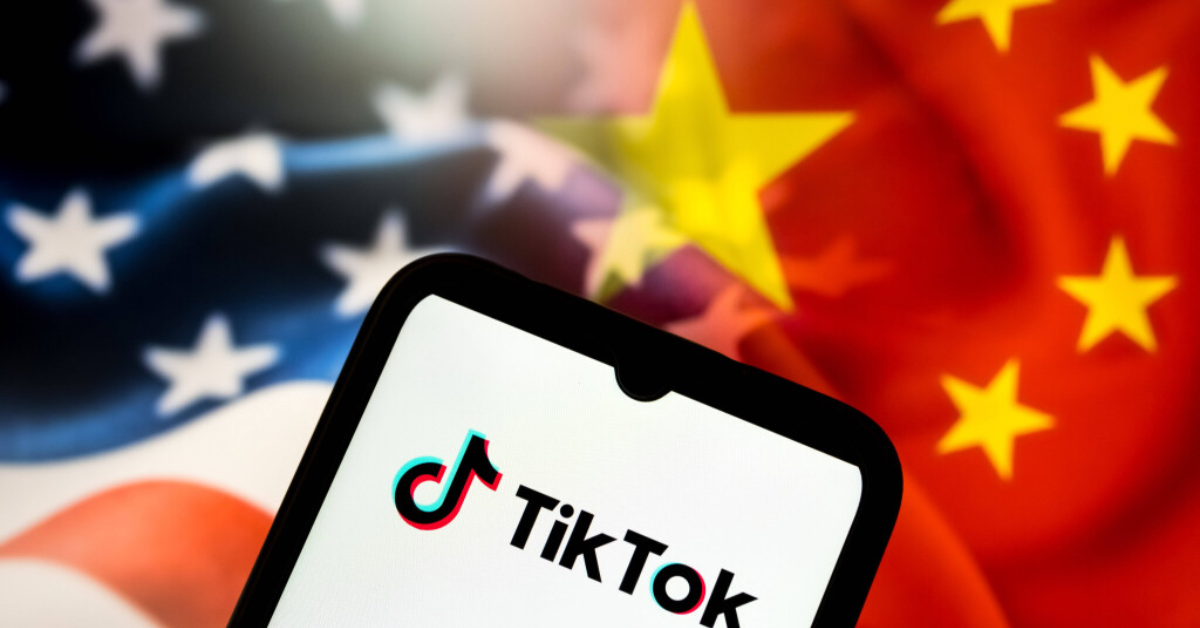

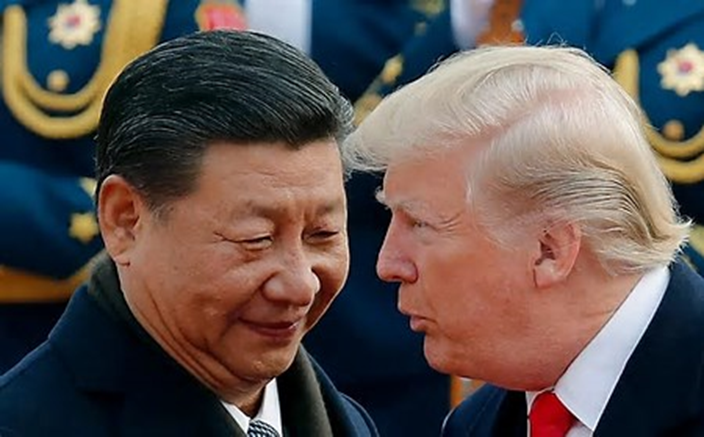
There is a current provisional agreement of a framework between the United States and China, which seeks to transfer the U.S. presence of Tik Tok control to American ownership to resolve long-standing issues of national security. According to this proposal, U.S. investors will gain a majority of the positions in governance, and Beijing insists that the most significant intellectual property- mostly the TikTok algorithm- should be under Chinese licensing conditions. That algorithm licensing, control and oversight dispute has become the main topic of discussion in the territory of platform influence, data sovereignty and the extent to which the influence of influencers can change.
Chinese Response: Guarding Technology, Demanding Fairness & Diplomatic Levers
Beijing has taken the framework with a certain degree of care. China celebrated the proposal in the state media as beneficiary, although it stressed that it will strictly evaluate the export of technology, licensing the application of intellectual property, and the transfer of algorithms in the local legal framework. The Chinese officials demand that any agreement should safeguard corporate autonomy, as well as calling on the U.S to ensure a healthy, open, non-discriminatory business climate. Still, analysts say that China is likely to take the direction of algorithm licensing rather than complete transfer.
TikTok Algorithm & Ownership: What Changes, What Remains
The structure of the deal will allow keeping the ownership of a limited quantity of equity with or without licensing rights to ByteDance, and granting the U.S. stakeholders the power over the data infrastructure, security, and even retraining parts of the model. Although the underlying algorithm might continue to stem out of Chinese design, the U.S. party might alter weighting filters, or impose content policy constraints, or retrain modules to match the American standards. The question is now turning out to be: will the changes to algorithms benefit U.S. creators (and not other ones)?
Oracle is supposed to be one of the major participants, managing the working of algorithms, and guaranteeing that U.S. data are held in custody based on licensing models. The new board will also be reflective of this change: the board of the new entity will be composed of only one, China-based, ByteDance, while the rest of the board positions will be occupied by Americans.
What Influencers & Users Should Watch: Valuation, Spyware Fears & Virality
The whole transition raises numerous questions to both creators and audiences:
Post-deal TikTok valuation with U.S. control?
- Will anxieties about the TikTok as spyware dissolve when the data controls and the algorithm are located in America?
- Will the TikTok CEO in 2025 change to be focused on the U.S. priorities, or will he/she cling to the legacy of the ByteDance?
- What will be the new position of the influencer algorithm–will there be a boost of such formats as educational, local or regional content?
- Will there be increased debates regarding questions such as whether Meta owns TikTok? or “did someone buy TikTok?” as proprietary histories disseminated.
During the periods of transition, influencers are to test new types of content and be attentive to the changes in reach.
Risks, Delays & the Road Ahead
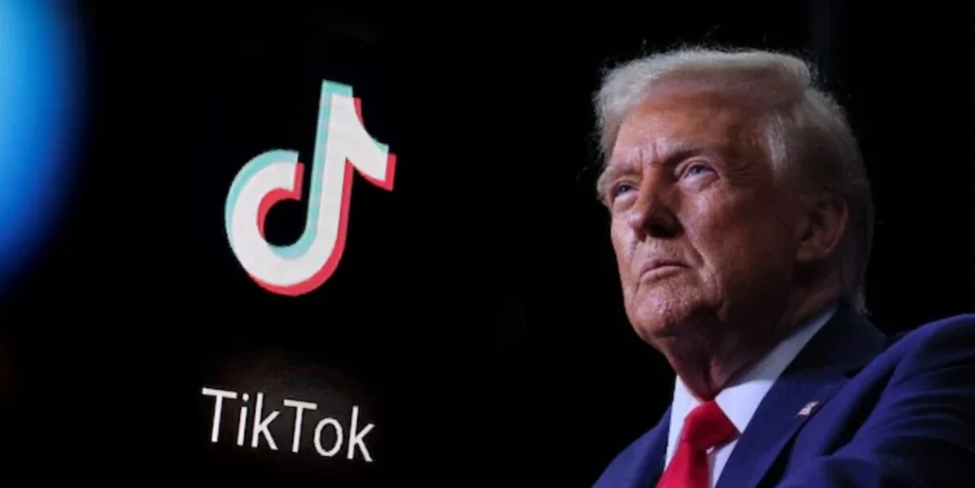
Though, within this framework, there are still major difficulties. The Chinese regulators may dismiss sensitive licensing terms or come up with tougher requirements. The oversight agencies in the U.S. might insist on additional protection or adjustments. The use of algorithm gating or national security provisions may narrow international content circulation or censor creative streams. In case of a breakdown in the negotiation process, Tik Tok U.S. may be downed.
In the meantime, the U.S. officials publicly proclaim that Americans will take six out of seven seats in the board, and that algorithm governance would shift under U.S. jurisdiction.
President Trump will also release an executive order to make the deal formal with the statement that it is not against the U.S. laws and national security requirements.
Should this work, this transaction would redefine the creator economies of the world, the incentive systems of platforms, and societal trust in algorithmic authority–placing the future of the influencer strategy and content in a disputed zone.
FAQs
What is the U.S.-China TikTok deal?
The agreement suggests that the U.S. investors will receive majority control over Tik Tok in the U.S. but China will keep the license of the algorithm. It deals with the issues of national security, guarantees U.S. control over the data and monitoring, but does not regulate the fundamental intellectual property which is under the jurisdiction of Chinese authorities.
2. Why is the TikTok algorithm central to the debate?
Content suggestions and user interaction are the two key features of Tik Tok which is promoted by the algorithm, which is the most valuable resource of the app. The U.S. wants to have security supervision over by China imposes licensing and not transfer so as to have technological sovereignty and protection of export laws.
3. How will influencers and creators be affected?
The change in the algorithm might favor the content of influencers with the United States or new formats. Although it is still possible to reach the global audience, ranking changes might affect the visibility, valuation, and virality, and creators have to change the approach when the system shifts to new governance forms.
4. What role does Oracle play in the deal?
It is supposed that Oracle will control the data storage and algorithm processes of Tik Tok in the United States and guarantee its compliance with the security standards of the United States. Its functions also involve the protection of data infrastructure, retraining oversight, and enhancement of trust in the features of Tik Tok that safeguard the privacy of users.
5. What risks remain for the TikTok U.S. deal?
There are risks of delays by Chinese authorities in the process of examination of the rules of export and the rigidness of the demands by the U.S. authorities. In case of the failure of the terms of the licenses or the conflict between the oversight requirements, the Tik Tok U.S. might become restricted in its operations, not to mention its possible closure, to which users and influencers across the country would be impacted.